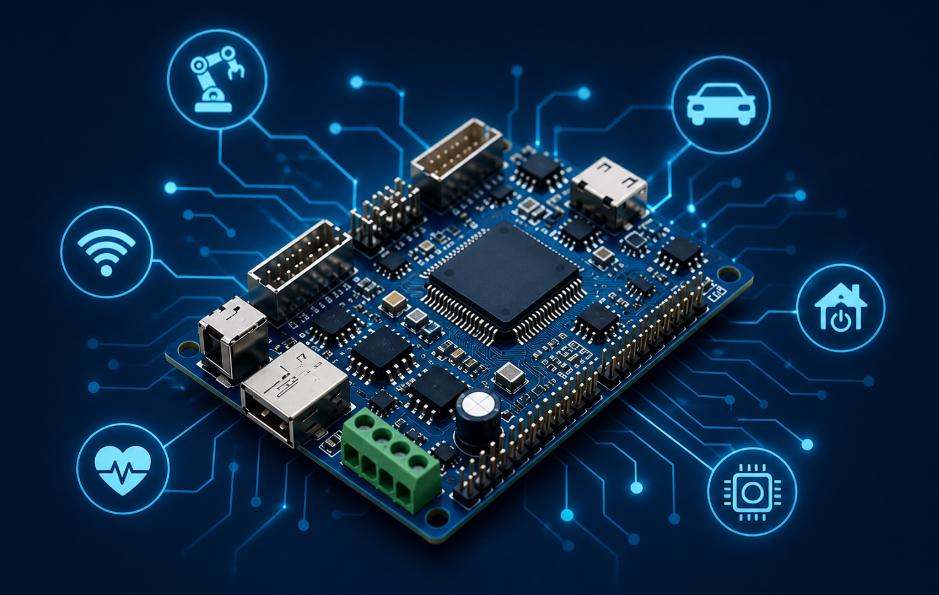
In today’s connected world, embedded systems are quietly powering the technology we rely on every day. From smart home devices and medical equipment to industrial automation and automotive systems, embedded solutions are at the core of innovation. As businesses aim to build smarter, faster, and more efficient products, the role of an embedded systems development company has become more critical than ever.
But with so many service providers in the market, choosing the right partner can be challenging. This guide explores what embedded systems development really involves, why it matters, and how to select the right company for your project.
What Is Embedded Systems Development?
Embedded systems development refers to the design and creation of specialized computing systems that perform dedicated functions within larger devices. Unlike general-purpose computers, embedded systems are optimized for specific tasks, often with strict performance, reliability, and power constraints.
These systems typically combine both hardware and software components, including:
- Microcontrollers and microprocessors
- Sensors and actuators
- Firmware and real-time operating systems (RTOS)
- Communication interfaces
An embedded systems development company handles the complete lifecycle of these solutions, from concept and design to testing and deployment.
Why Embedded Systems Matter Today
The importance of embedded systems has grown rapidly with the rise of technologies like IoT, AI, and automation. Businesses across industries rely on embedded solutions to improve efficiency, reduce costs, and deliver better user experiences.
Key Benefits of Embedded Systems
- Real-Time Performance
Embedded systems are designed to respond instantly to inputs, making them ideal for critical applications such as medical devices and automotive controls. - Energy Efficiency
They are optimized for low power consumption, which is essential for battery-operated and portable devices. - Reliability and Stability
Since they perform dedicated tasks, embedded systems are highly reliable and less prone to failures. - Compact Design
They allow complex functionality to be packed into small, efficient hardware units.
Industries That Rely on Embedded Systems
An experienced embedded systems development company typically works across multiple industries, including:
1. Healthcare
Medical devices such as patient monitors, infusion pumps, and wearable health trackers rely on embedded technology for precision and safety.
2. Automotive
Modern vehicles use embedded systems for engine control, infotainment, navigation, and advanced driver-assistance systems (ADAS).
3. Industrial Automation
Factories use embedded solutions for robotics, process control, and predictive maintenance.
4. Consumer Electronics
Smartphones, smart TVs, and home automation systems are all powered by embedded technologies.
5. Telecommunications
Network equipment and communication devices depend heavily on embedded software and hardware.
What Does an Embedded Systems Development Company Do?
A professional embedded systems development company offers end-to-end services that cover both hardware and software aspects.
1. System Architecture Design
The company defines the overall structure of the system, selecting the right components and technologies.
2. Hardware Design
This includes PCB design, circuit development, and component selection.
3. Firmware Development
Engineers write low-level code that directly interacts with hardware components.
4. Software Integration
Integration ensures smooth communication between hardware and higher-level applications.
5. Testing and Validation
Rigorous testing ensures the system meets performance, safety, and regulatory requirements.
6. Maintenance and Support
Post-deployment support ensures long-term reliability and updates.
Key Features of a Reliable Embedded Systems Development Company
Not all service providers offer the same level of expertise. When evaluating options, look for these essential qualities:
1. Strong Technical Expertise
The company should have experience in microcontrollers, embedded C/C++, RTOS, and hardware design.
2. Industry Experience
A company with experience in your industry will better understand your specific requirements and challenges.
3. End-to-End Capabilities
Choosing a company that handles both hardware and software reduces complexity and ensures better integration.
4. Focus on Quality and Testing
Embedded systems often operate in critical environments, so rigorous testing is non-negotiable.
5. Scalability
The company should be able to support your project as it grows, from prototype to mass production.
Challenges in Embedded Systems Development
While embedded systems offer numerous advantages, they also come with challenges that require expert handling.
1. Resource Constraints
Limited memory, processing power, and energy require highly optimized solutions.
2. Real-Time Requirements
Meeting strict timing constraints can be complex and requires precise engineering.
3. Security Risks
As devices become connected, ensuring data security becomes a major concern.
4. Integration Complexity
Combining hardware and software seamlessly can be challenging without the right expertise.
A skilled embedded systems development company is equipped to address these challenges effectively.
Latest Trends in Embedded Systems Development
Technology is constantly evolving, and embedded systems are no exception. Staying updated with the latest trends is crucial for businesses.
1. Internet of Things (IoT)
Embedded systems are the backbone of IoT devices, enabling connectivity and data exchange.
2. Artificial Intelligence at the Edge
AI is being integrated directly into embedded devices, allowing faster decision-making without cloud dependency.
3. Edge Computing
Processing data closer to the source reduces latency and improves performance.
4. 5G Connectivity
Faster communication speeds are opening new possibilities for embedded applications.
5. Cybersecurity Enhancements
With increasing threats, embedded systems are now designed with advanced security features.
How to Choose the Right Embedded Systems Development Company
Selecting the right partner can make or break your project. Here are practical steps to guide your decision:
Define Your Requirements Clearly
Start by outlining your project goals, technical needs, and budget.
Evaluate Technical Skills
Check the company’s expertise in relevant technologies and tools.
Review Portfolio and Case Studies
Past projects can give you insights into their capabilities and problem-solving approach.
Assess Communication and Collaboration
A good development partner should be transparent, responsive, and easy to work with.
Consider Long-Term Support
Ensure the company offers maintenance and upgrade services after deployment.
Benefits of Partnering with the Right Company
Working with a reliable embedded systems development company offers several advantages:
- Faster time-to-market
- Reduced development risks
- Access to specialized expertise
- Cost-effective solutions
- Improved product quality
Instead of building everything in-house, businesses can focus on their core competencies while experts handle the technical complexities.
Future of Embedded Systems Development
The future of embedded systems is incredibly promising. As technologies like AI, IoT, and automation continue to evolve, embedded systems will become even more powerful and intelligent.
We can expect:
- Smarter connected devices
- Increased automation across industries
- More secure and reliable systems
- Greater integration with cloud and edge computing
Businesses that invest in embedded technology today will be better positioned to compete in the future.
Final Thoughts
Choosing the right embedded systems development company is a strategic decision that can significantly impact your product’s success. With the increasing demand for smart, connected solutions, the need for reliable and experienced development partners is greater than ever.
By focusing on technical expertise, industry experience, and long-term support, businesses can find a partner that not only meets their current needs but also supports future growth.
Embedded systems are no longer just a component of modern technology—they are the foundation of innovation. Partnering with the right experts ensures that your ideas are transformed into high-performance, reliable, and scalable solutions.