A candle maker I know started out selling almost entirely at local markets, hand-wrapping each jar in tissue paper and calling it done. Worked fine for years. Then she moved online, kept the same wrapping approach out of habit, and within a couple months had a stack of one-star reviews mentioning cracked glass, spilled wax, and jars that had clearly shifted around and knocked into each other somewhere between her workshop and someone’s front porch. Nothing about the candles changed. The shipping conditions did, and her packaging just wasn’t built for that shift.
That’s the story behind a lot of candle brands moving from local sales to wider distribution, and it’s usually the packaging that catches up last, after a batch of damaged shipments forces the issue.
Candles Are More Fragile Than People Assume
Glass jars crack. Wax can soften or shift in heat, especially sitting in a delivery van on a warm day. Wicks bend or come loose if there’s too much movement inside the box. None of this is obvious from looking at a finished candle sitting still on a shelf, which is probably why so many brands underestimate how much protection their product actually needs once it starts moving through a shipping network instead of just sitting in a store.
This is where sturdy candle packaging earns its cost pretty quickly. A box built with real structural integrity, rather than a thin wrap or a loose-fitting carton, keeps glass from knocking against other glass, holds wax containers upright, and generally survives the kind of rough handling that a delivery route puts every package through.
What Actually Protects a Candle in Transit
A few things matter more than people initially expect. Snug interior fit is probably the biggest one a box with too much space lets a candle slide and collide with the walls, which is exactly what causes cracked glass and shifted wicks. A fitted insert or a box sized closely to the jar’s actual dimensions solves most of this before it becomes a problem.
Material weight matters too. Thin folding cartons flex under pressure, which is a real liability for anything glass-based. Rigid candle boxes, built from denser, thicker board that holds its shape rather than folding, handle drops, stacking, and general rough transit noticeably better. That difference shows up directly in damage rates: fewer cracked jars, fewer wax spills, fewer refunds over something entirely preventable with the right packaging in the first place.
Safety Isn’t Just About Shipping Damage
There’s a regulatory side to candle packaging that’s easy to overlook until it becomes a problem. Many markets require specific safety labeling on candles: burn time warnings, ventilation notices, information about keeping candles away from flammable materials nearby. Getting this onto the box clearly, without cluttering the design, takes some real thought.
Custom candle packaging that’s planned around both branding and required safety information tends to handle this better than an afterthought sticker slapped onto a box that wasn’t designed with labeling space in mind. It’s also just good practice for a brand that wants to avoid liability issues down the line, since burn-related complaints tend to escalate fast if a customer feels like they weren’t warned clearly.
Packaging as a Growth Lever, Not Just Protection
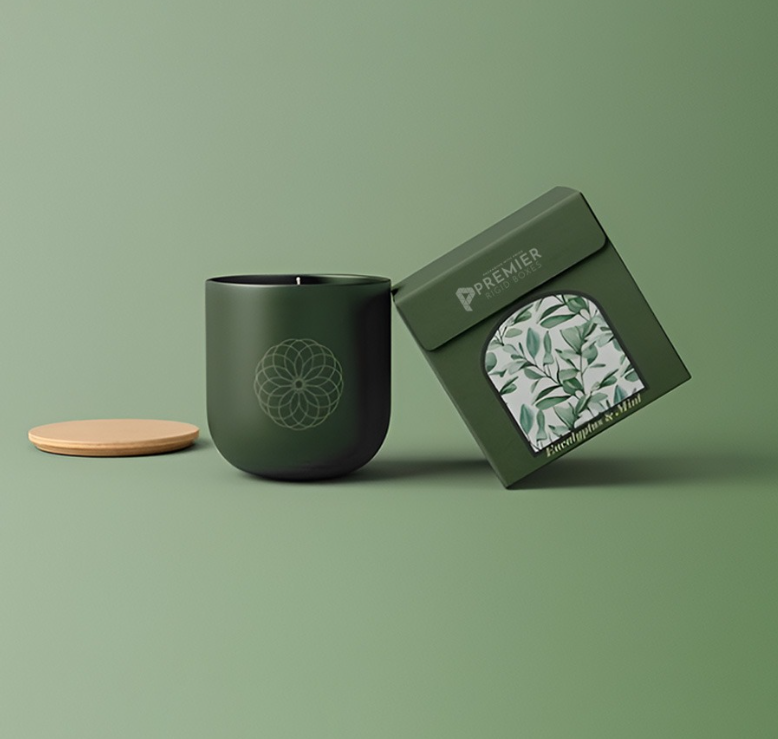
Here’s where candle packaging starts doing more than just keeping products intact. A candle is, for a lot of buyers, a small self-care purchase or a gift, and the box is often the first thing that signals whether the product feels worth the price before it’s even lit. Rigid candle boxes, in particular, carry a weight and structure that reads as more premium the moment someone picks one up, which matters a lot for brands trying to justify a higher price point in a crowded market.
This extends into repeat purchases too. A candle brand with consistent, recognizable box design same color language, same finish, same overall feel across a product line builds the kind of visual recognition that gets a customer reaching for a specific brand again without needing to read the label twice.
Gift Sets and Multi-Candle Boxes Need Their Own Approach
Multi-candle sets, especially around holidays, come with their own packaging demands. Candles packed loosely together tend to knock against each other in transit the same way single candles do against a box’s walls, just multiplied. A tray with individual, separated slots for each candle solves this cleanly, and it also happens to look better the moment the lid comes off several candles sitting in neat, defined spaces read as more considered than the same candles jumbled together in one shared compartment.
Sustainability Signals Matter to Candle Buyers Specifically
Candle buyers tend to care about ingredients, sourcing, and environmental impact more than a lot of other product categories, and that attention usually extends to the box. Recyclable materials, soy-based inks, and packaging that avoids excess plastic all support a brand’s broader story here, provided the claims are genuine and not just printed on without real follow-through.
Final Words
Good candle packaging has to do two jobs at once: keep a genuinely fragile product intact through a shipping process it was never traditionally built for, and signal enough quality and care that customers feel good about the purchase before they’ve even struck a match. Rigid candle boxes, built around the product’s actual shape and real shipping conditions rather than adapted from in-store display packaging, tend to be the detail that separates a candle brand that grows past local sales from one that keeps hitting the same avoidable problems every time it tries to scale.