A small-batch soap maker I talked with a couple years back had a problem that took her a while to actually pin down. Her bars were good, genuinely handmade, nice scent combinations, the kind of thing that gets repeat customers once people try it. Same complaint kept popping up in her reviews though, and for a while she didn’t quite connect it to what was actually going on. Bars arriving cracked. Labels half peeled off. One customer even wrote that the soap looked like it had already been through a wash cycle by the time it showed up at her door. Turned out the packaging she’d been using was built for a farmers market table, not a delivery truck. She reworked the box, added a snug interior fit instead of loose tissue paper, and the complaints basically disappeared within a month. Nothing about the soap itself changed. Just the box around it.
That gap between looks nice on a table and survives an actual shipment” trips up a lot of soap brands moving online for the first time, and it’s worth understanding before a batch of bad reviews forces the issue.
Soap Ships Differently Than It Sells in Person
At a market stall or in a boutique store, soap gets handled gently, sold quickly, and rarely travels far after purchase. Online, that same bar might sit in a warehouse for a week, get tossed into a delivery van with a dozen other packages, and land on a porch in whatever weather happens to be going on that day. The packaging has to account for all of that, not just look good under nice lighting for a product photo.
This is where a lot of soap brands get caught off guard moving from local sales to e-commerce. What worked fine for years suddenly starts generating complaints, not because the product changed, but because the shipping conditions did.
Moisture and Fragrance Are the Two Big Threats
Soap has a couple of specific packaging challenges that a lot of other product categories don’t deal with. Moisture is one soap can sweat, soften, or even partially melt in humid conditions or hot delivery trucks if the packaging doesn’t allow for some breathability. Fully sealed plastic wrap sounds protective, but it can trap moisture against the bar itself, which sometimes does more harm than good.
Fragrance is the other one, and it’s easy to underestimate. Scented soaps can bleed their scent into whatever’s packed near them, which matters a lot for gift sets or multi-bar boxes where different scents are shipped together. Packaging that separates bars into individual compartments, rather than letting them touch loosely in one open space, solves most of this on its own.
Structural Fit Matters More Than It Looks Like It Should
Soap bars are dense and surprisingly prone to chipping or cracking at the edges if they shift around during transit. A box with too much space lets bars slide and knock against the walls or each other, which is exactly what causes those chipped corners customers complain about.
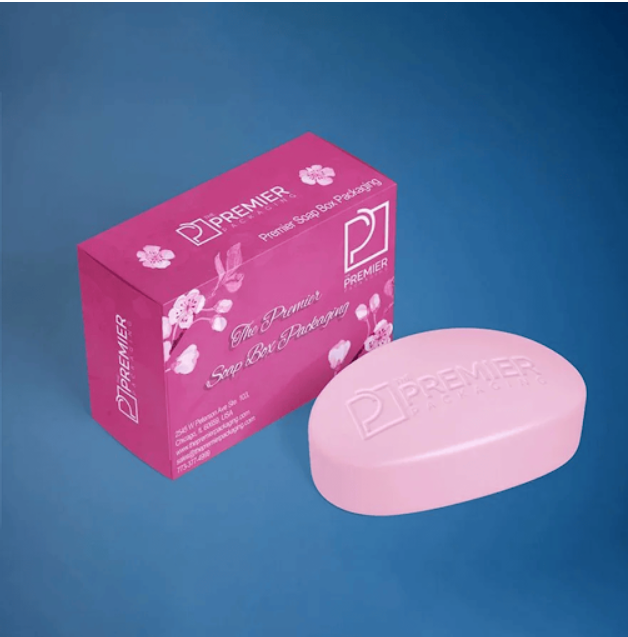
A snug interior fit, whether that’s a fitted insert, a simple divider for multi-bar sets, or just a box sized correctly to the bar itself, prevents most of this movement before it becomes a problem. Custom soap boxes built to the bar’s actual dimensions tend to show up with noticeably fewer cracked or chipped units than generic packaging sized loosely for convenience.
Print and Finish Choices Say a Lot About the Brand
Soap sits in a strange spot where it’s simultaneously a functional product and, for a lot of buyers, a small self-care indulgence. Packaging needs to reflect that balance. Kraft paper and minimal print communicate a natural, handmade feel that works well for brands leaning into that identity. Cleaner, more polished finishes with defined color branding suit soap positioned closer to a spa or luxury gift product.
Neither approach is inherently better, but mismatching them tends to confuse customers about what they’re actually buying. A rustic, handmade-looking bar priced like a premium spa product creates friction at checkout, and a plain, minimal box around a genuinely premium-priced soap can undersell it before anyone’s even smelled it.
Multi-Bar Sets Need Their Own Design Logic
Gift sets and multi-bar bundles are common in soap, especially around holidays, and they come with their own packaging demands separate from single bars. Beyond keeping scents from bleeding into each other, multi-bar boxes benefit from a layout that presents each bar clearly, rather than stacking them in a way that hides most of the set until everything’s unpacked.
A tray with individual slots, visible from the moment the lid comes off, tends to create a stronger gifting impression than bars simply wrapped together in one shared compartment.
Sustainability Signals Matter Especially Here
Soap buyers, more than a lot of other product categories, tend to care about ingredients and sourcing, and that attention often extends straight to the packaging. Recyclable or compostable materials, minimal plastic, and print that doesn’t rely on excessive coating all support a brand’s broader sustainability story, assuming that story is genuine rather than just printed on the box without follow-through.
Final Words
Good soap packaging for e-commerce has to do more than look nice sitting on a shelf. It needs to manage moisture, keep fragrances contained, protect against chipping, and still communicate the right brand feel the moment it’s opened. Custom soap boxes built around the bar’s actual shape and shipping realities, rather than adapted from in-store packaging that was never meant to survive a delivery truck, tend to be the difference between a product that arrives the way it left the workshop and one that shows up looking like it barely made the trip.